

Alan Rice
Yarra Yarra Rowing Club (VIC)
The following profile of Alan was published in Do Talk on 22nd April 2019 and provided to this website by Alan's good friend and doubles partner, Jim Skidmore. It is written by Alan's son-in law, but his name is not known to us.
Facing backwards, heading forwards.
How rowing and mateship steered Alan in the right direction

Alan in the stroke seat of 1958 Yarra Yarra Maiden Eight
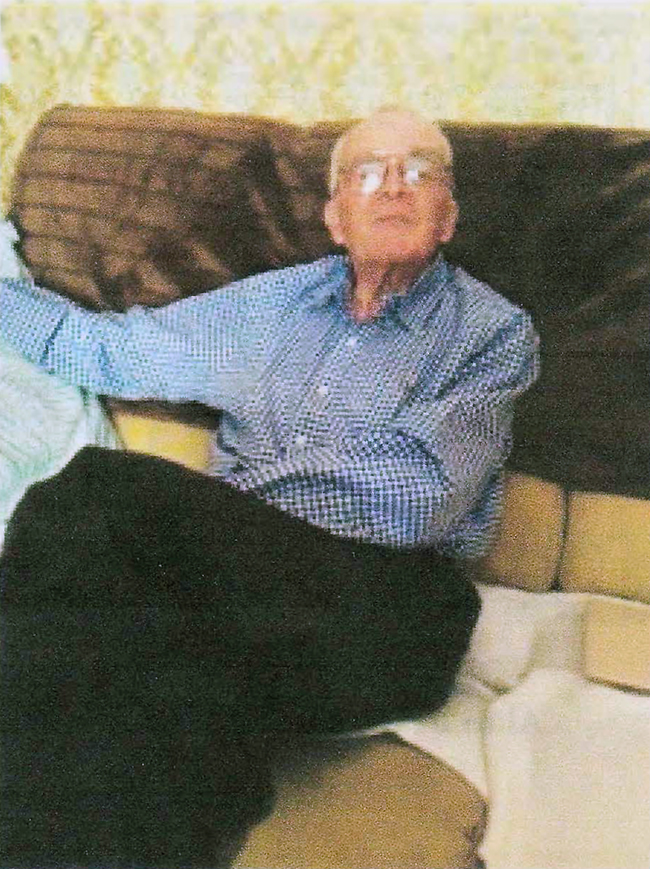
Bump into Alan Rice and you're in for a conversational delicacy. Don't be fooled by this dear looking fellow and his passive, unassuming demeanour. This 81 year old packs a punch with stories from his rowing days. He can talk for hours about those important life-shaping years. This is not some old boy rambling on about his trophy cabinet, his stories pierce that superficial layer of achievement and delve into the importance of mateship and having a passion in life. He'll digress from time to time and mention his beloved Collingwood Football Club, and he'll certainly throw in a bit of Cockney rhyming slang with a dash of cheeky bullshit too. No one is interested in Collingwood, and we'll entertain a bit of bullshit, but it's his sentimental rowing stories that represent more than just a bunch of blokes facing backwards and heading forwards down a river.
Alan's rowing career began in Melbourne at the Yarra Yarra Rowing Club (YYRC). At the age of 16, he left Warragal, in country Victoria, to undertake a painter-decorator apprenticeship in the big smoke. In an odd chain of events, Alan imposed himself on the rowing scene. Initially, a YYRC bloke working in the railway office at Spencer Street Station (now Southern Cross Station) approached Alan's workmate. He thought Alan's mate fit the bill to be a rowing champion, and suggested he head on down to the club. Overcome with flattery and a fully inflated ego, he headed down to the club thinking fate had set him on a new and successful path. However, it wasn't for him.
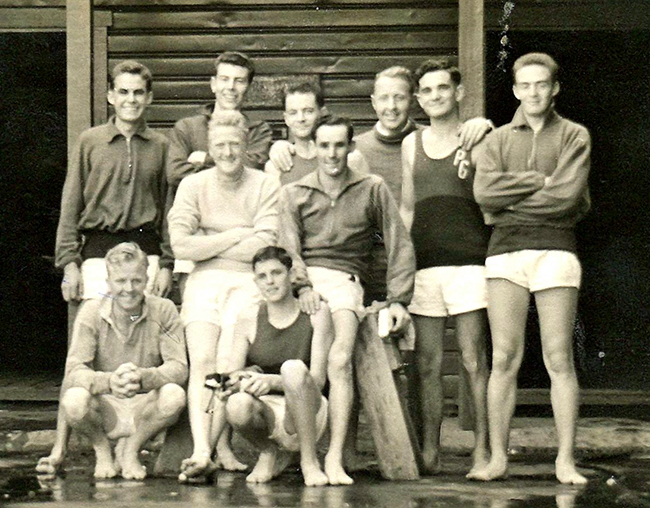
Yarra Yarra Rowing Club Champion Lightweight Eight
Alan in 1958 (far right)
Alan was sports mad, reading the sports section of any newspaper he could get hold of, as infrequent as they were in those days. He enjoyed running. Whether it was the streets of Warragal or laps of Newport Football ground trying to keep up with the likes of Les Perry and the top runners at the time, he knew the level of grit, perseverance and hard work required in sport. Alan had a hunch that rowing just might be for him.
So, the self-proclaimed cunning fox that he is (in his words "I was brought up on fox milk") capitalised on his workmate's lack of interest and brazenly took himself down to the club. With a twist of fate and a glass of fox milk, that my friends, is it where it all began.

The double scull was Alan's favourite
The YYRC and the Yarra River itself became Alan's second home. Whether it be early morning sessions or whenever he got a chance, he was training. Alan soon met the captain, Jim Wilson, "a good man'. Jim was an engineer on the railways. This good man took Alan under his wing. Knowing that he was a broke apprentice, Jim regularly took him to his house in Port Melbourne after training. There, his lovely wife, Rene, would provide Alan with home cooked meals. Jim later became his coach and even after Alan moved on to other coaches, the lucky bugger still got fed.
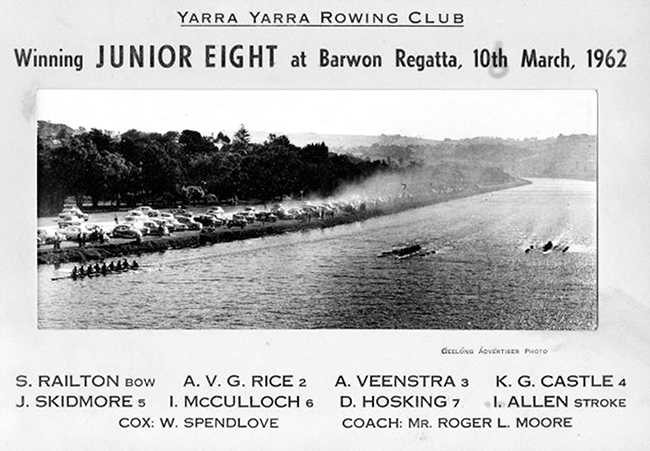
A "V.G." Rice- this is where the bullshit comes in, Alan had no middle names at all, he just thought he'd mock the public school boys
He learned the ropes in a wide practice boat and his first race was in the Mitchell River, Bairnsdale, Victoria. He and his rowing mate, Peter Gill, competed in a wide non-racing boat. They won. They felt like champions of the world. Alan then progressed into the double sculls with his mate for-life, Jim Skidmore. At the time, the captain's protocol was to win pairs, fours and eights. Often it relied on waiting for membership to enable this to happen. Alan, full of fox milk, talked many friends into giving it a go. Some were great and some were bloody useless. It didn't matter, with membership at such great capacity, the club won pairs, fours and eights in every division aside from senior division. Alan and Jim were in the twos, fours and eights together. Jim was apparently the better sculler and, given the uptake on membership, it's clear that Alan was the better talker.
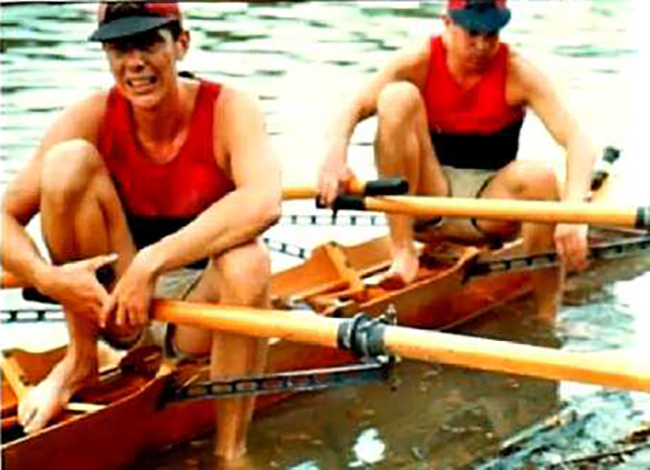
Jim Skidmore and Alan Rice
They grafted their way through the rowing ranks without a coach and in a double scull boat they bought themselves. Some mean feat, no coach and a boat bought on a very modest salary. The pair took a trip to Sydney and had the boat measured and made. They brought it back to YYRC and it was the only new boat in Melbourne at the time. They named it Bottles.
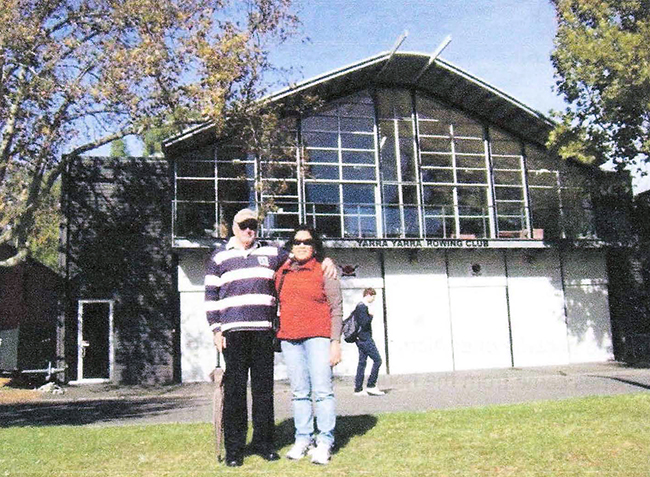 Alan and his wife Caridad outside the new YYRC boatshed
The name comically derived from a bar in the south west corner of the club. On a Sunday morning (and I would suggest many other times) the bar was open and stocked only bottled beer. Sunday morning was a very social occasion at the club with the older members out rowing and all members enjoying a drink or two. To this day, Bottles still hangs on display from the ceiling at the club.
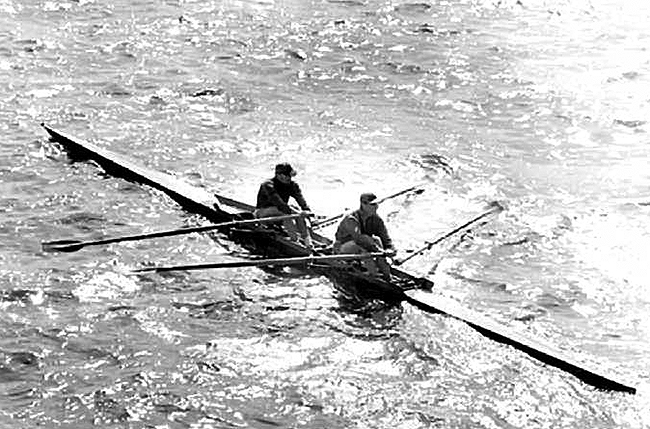 Canberra- Alan (left) and Jim in Bottles
Alan enjoyed the doubles because it was fast. " You could match the pace of an eight over a quarter mile but after half a mile you're stuffed. " Three became one: Alan, Jim and Bottles. Many experiences and memories came from the hours that Alan and Jim spent powering that glorious wooden vessel. Win or lose, this gutsy duo were enjoying life and the mateship that went beyond the double sculls.
Alan often casts his mind back to a race in 1964 on Lake Burley Griffin, Canberra. This wasn't a successful race in terms of a triumphant victory. More, this was a victory of sorts, through a realisation that their approach to training and coaching needed to change. Canberra's newly developed lake was designed almost perfectly for rowing with very little wind due to it's low geographical location and it was a dead straight course. Lake Burley Griffin is still used for championships today and currently houses the Canberra Rowing Club and Capital Lakes Rowing Club.
This race was against the formidable pair, Barclay Wade and Gary Pearce, from Sydney rowing clubs (Balmain Rowing Club and Mosman Rowing Club). Pearce came from a successful rowing family, his Dad a brilliant oarsman and his uncle representing Australia in the 1936 Olympics. Bottles had her nose in front for most of the race but on approaching the finish line, Alan and Jim were spent. They were pipped at the line by their rivals from the neighbouring state. It was 0.3 of a second that separated the Sydney-siders from the Vics.
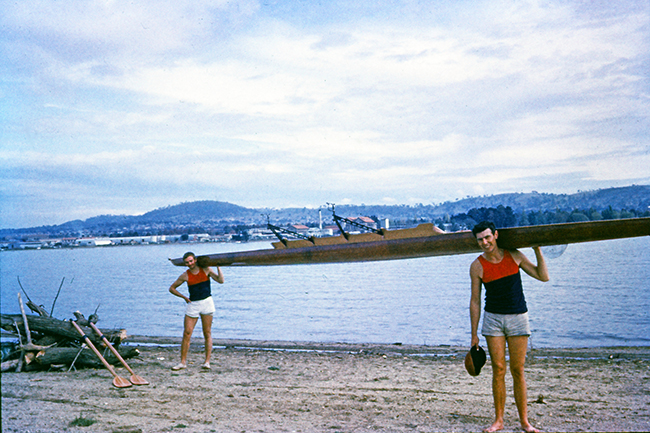
Canberra 1964
The writing was on the wall that Alan and Jim required a coach and they needed to intensify their training regime. They recognised the advantage of having coaches, not only for training purposes but also alongside them at regattas. Following the race, Alan stumbled across his YYRC 8 sculls team mate, a past Australian Olympic rower, who declared he had been available to coach them that day. They say with rowing, it's all about the timing.

Alan (5th oarsman from the bow )
Alan unsurprisingly capitalised on another chance opportunity in life, the opportunity to row in England. He believed that to get anywhere in life you sometimes need to be "as cunning as a shithouse rat." So, when a mate was given the golden ticket to work in the UK, guess who had his bag packed too?
Alan's rowing buddy Roger Moore was a gifted salesman who worked for a computer company (no one in Australia knew much about computers at the time) and his boss sent him to London to increase his skills and knowledge. As it turned out, he was a very successful computer salesman in the UK too. With a common interest in rowing, Roger and his shithouse rat fearlessly headed over to the Motherland where they swiftly joined the Thames Rowing Club.

Alan (2nd oarsman from the bow)
In 1966 Alan's proudest rowing memory occurred in the Elite International Regatta held in Ghent, Belgium. It was where that grit, perseverance, and hard work really emanated ... and you guessed it, some more fox milk. Alan describes the race as "the best race they had ever wart'. They had a quality coach who rowed for England in, what was to be, the last Empire Games before the change to the Commonwealth Games. The team of 8 had been together all season and were buzzing with the news that they had been entered into the race. The captain, another one brought up on fox milk, had been studying the German method of coaching. The Germans were a dominant force and the international champions at the time. The benchmark for success. With only 7 weeks to train, the captain and coach imposed the gruelling training regime and all 8 team members were, both literally and metaphorically, on board.
They trained 7 days a week on the Thames after work. Alan would arrive at 5pm after a hard days yakka on the west end. It began with an intensive half hour warm up in the shed. The actual rowing training, could these days be likened to a water version of high intensity interval training ... and some. In a nutshell, the training was hard. It was flat out fast, but controlled, rowing. Alan remembers it as approximately, 40 strokes per 500 metres or for one minute. As hard as you could. "Not helter-skelte0 controlled rowing'. The Germans did this training intensely for 4 times a day for 7 weeks leading up to Belgium. This crew did it 7 times a day. They got very fit, very strong and very fast.
In Belgium, this team from the Thames were treated like royalty, all expenses catered for by the European Rowing Council. They were well fed, had first class accommodation and transportation to and from the regatta in Ghent. With this sort of preparation, the team were all in good spirits.
At the start line, with adrenaline detonating through every muscle and eagerness erupting their core, the old fox milk came into play again. Inadvertently, their oars sliced into the water in the millisecond before the gun fire. Panic. It went unnoticed. They got away with it. It didn't matter anyway.
After 10 strokes they were in front. The timing of Tom Bakewicz was to perfection and he ensured the crew kept the pace going. They worked superbly together. Nothing went wrong. Nothing. This dynamic team from Thames Rowing Club had caught everyone off guard. They sprinted and led all the way and they won by 3/4 of a length.
There was no time to celebrate as they had to get back to London on a very tight schedule. The club secretary and treasurer, who'd brought the boat across on the trailer, separated in 3 x 20ft pieces had to transport that boat back again. Like a stage set, props were dismantled and the show was over. Incredibly, the team witnessed a fleeting ceremony in which, the then French president, Charles De Gaulle presented the winning prize. The prize, a one and a half metre tall purple and blue antique vase, was whisked away and placed straight in the club's bank vault in London. Never to be seen again. It's believed to be still there to this day. Each oarsman received a medallion. There were no photos. No celebrations.
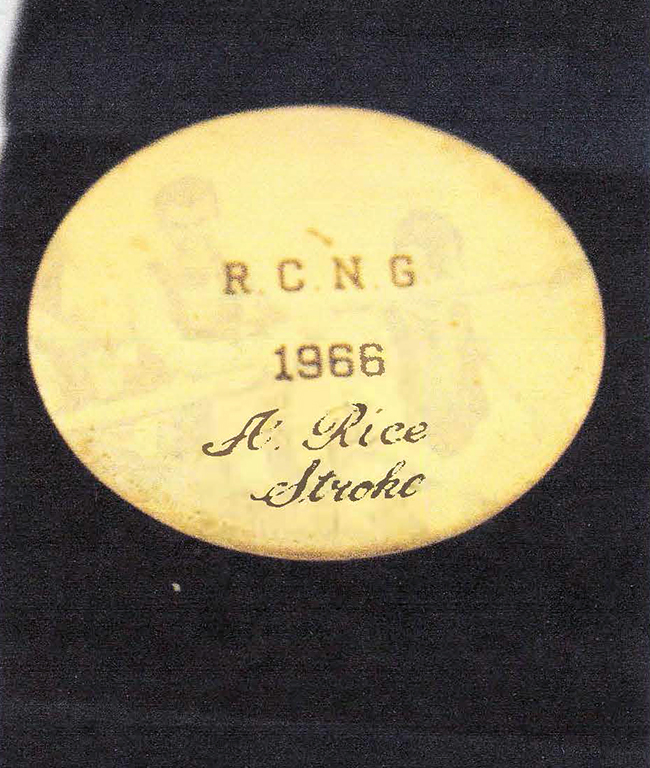
The proud lads were ecstatic but strangely quiet on the train trip back. On arriving in London, they were ready to celebrate but returned to an empty club. In the days and weeks following, still nothing ..... apart from the barman who made a speech and congratulated them. You can always rely on a barman for a well deserved pat on the back anywhere in the world. It was speculated, the lack of acknowledgement was somewhat due to the fact that it wasn't a completely British team. Miserable bastards. An amazing accomplishment nonetheless.
Alan enjoyed every row. So did his rowing mates. Everyone had their different reasons for rowing. For most, they were just happy to be part of a good crew. Alan says rowing kept him out of trouble. I hasten to say, this was probably the case for many. Alan remembers with fondness, the rowing friendships he developed with all over the world. He recalls a group of mates living together in Nottingham, England, saying "they were happy go lucky folk and I enjoyed spending time with them." Alan was often invited to their social occasions and they all enjoyed a good rowing story or two.
Alan described the mateship as the" off the beaten track' side of rowing. It was the time off the water, the time spent with friends. It's these bonds that are important in life. Feeling and being connected. All brought together through doing something you love.
 Alan in the two seat of 1960 crew at Yea Regatta
This chapter in Alan's life became particularly poignant following a serious car accident in 1980 that put Alan into a coma for 4 months. He sustained lifelong injuries, mainly to his head and sternum, and damage to his physical and mental being. The surgeon later reported that they had nearly lost him. He was showing no signs of life whilst on life support. Suddenly that Alan Rice grit, perseverance and hard work came into play again. He managed to make it through. Alan would never row again. He knew though, he was lucky to be alive. But that didn't stop this cunning fox, his body strength may have been affected but his inner strength certainly wasn't. Alan maintains his zest for life everyday. He values and knows the importance of good relationships, be it friends and family. Alan still remains in contact with some surviving members from his treasured rowing days. He knows the significance of having interests and remains passionate about rowing.
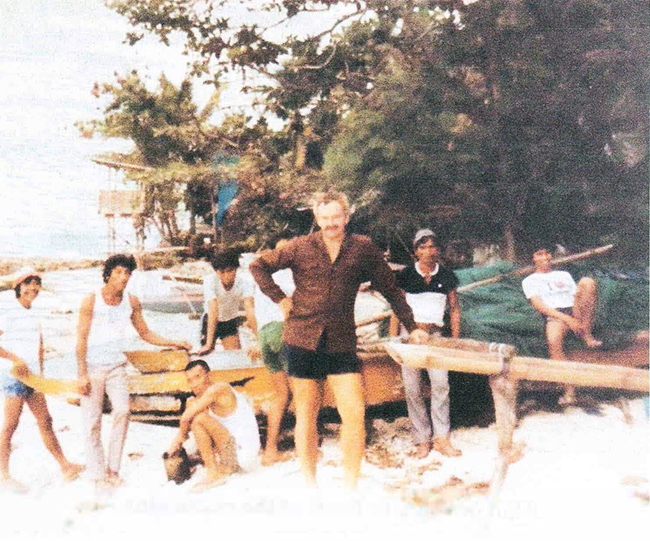
With the support of his beautiful wife Caridad, his son Mel and daughter Imee, he also has a wonderful family to share his life with.... and talk a bit of bullshit too.
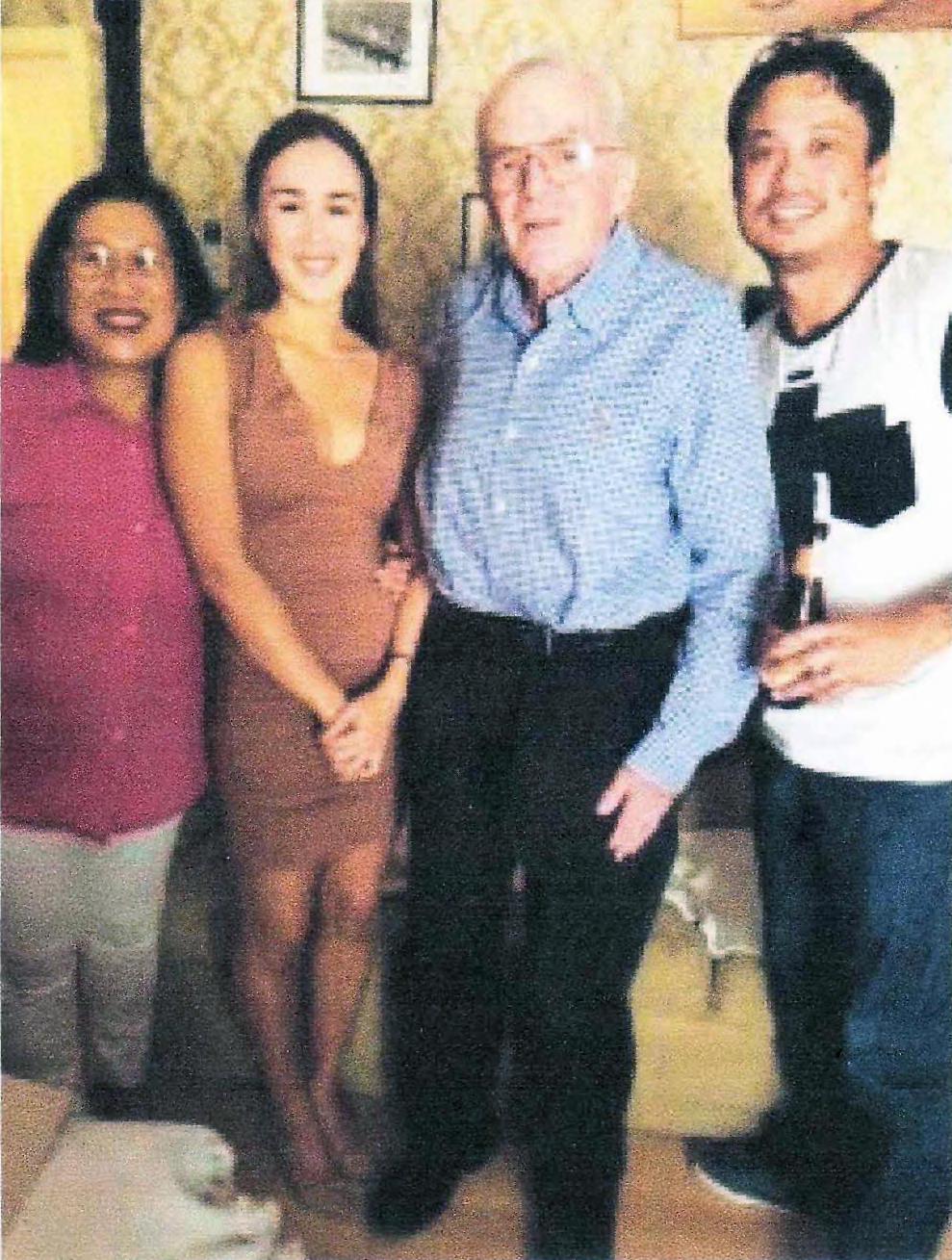
Caridad, Imee, Alan and Mel (March 2018)
I am proud to call this bloke my father in law.
Keep punching Alan.
Compiled by Andrew Guerin
February 2026